Reverse osmosis systems are widely known for delivering clean and safe drinking water. But if you’re planning to install one, it’s important to understand not just the benefits—but also the drawbacks.
So, what is a major problem with reverse osmosis?
Let’s break it down in simple terms so you can make the right decision for your home.
Understanding Reverse Osmosis
A reverse osmosis water purification system works by pushing water through a semi-permeable membrane that removes impurities such as:
- Dissolved salts
- Heavy metals
- Chlorine
- Bacteria and contaminants
The result is highly purified water that is safe and great-tasting.
The Major Problem with Reverse Osmosis
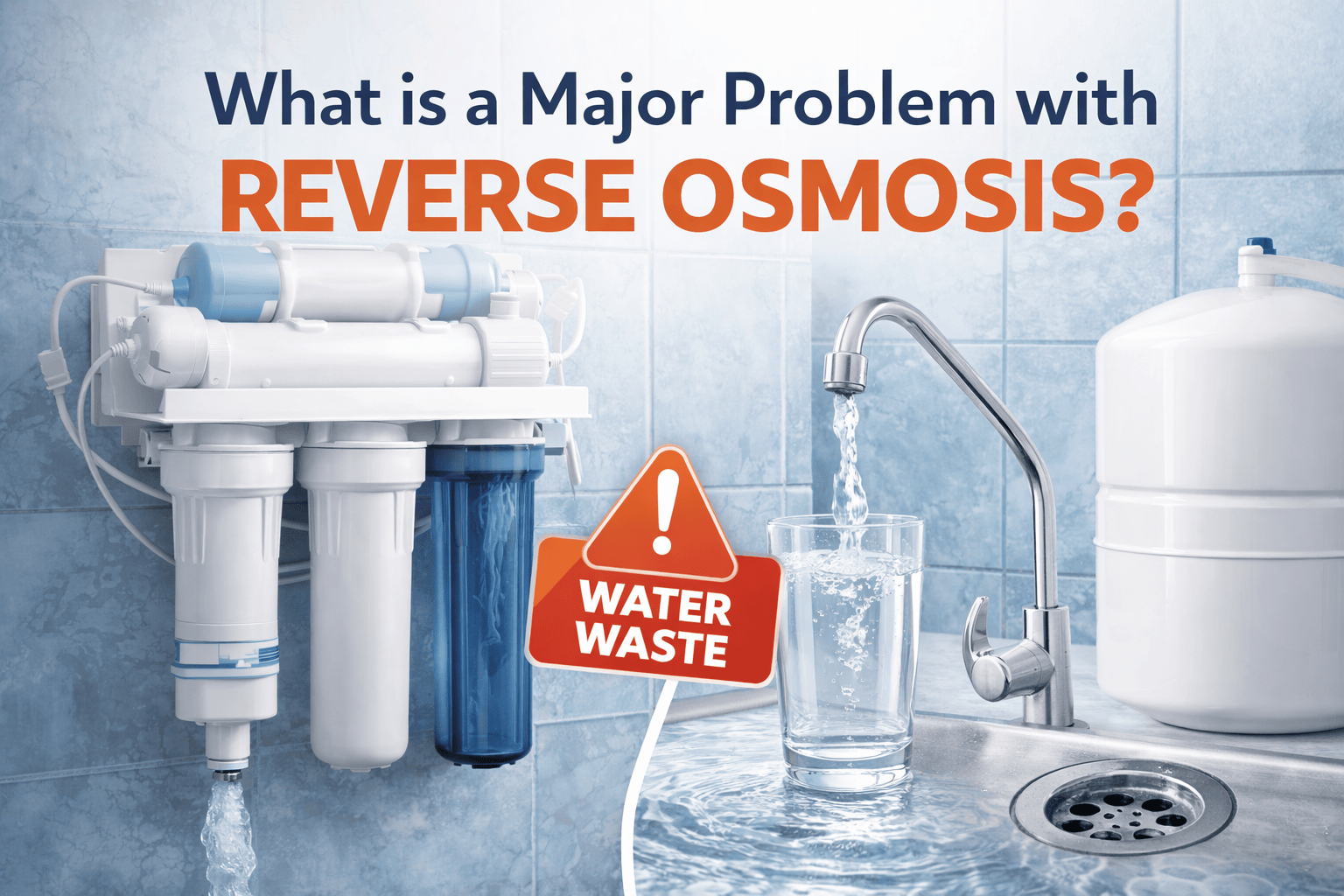
The biggest issue with any reverse osmosis water purification system is water wastage.
Why Does This Happen?
During the filtration process, the system separates clean water from contaminants. However, not all the water becomes usable. A portion of it is flushed away to carry the impurities out.
How Much Water Is Wasted?
Traditional systems can waste 2 to 4 gallons of water for every 1 gallon of purified water produced.
For many homeowners, this is the most significant drawback—especially in areas where water conservation matters.
Other Common Drawbacks to Consider
While water waste is the main concern, there are a few additional limitations:
1. Slow Water Flow
Reverse osmosis systems don’t produce water instantly. They store filtered water in a tank, which can run out during heavy use.
2. Mineral Removal
A reverse osmosis water purification system removes both harmful and beneficial minerals like calcium and magnesium.
This isn’t dangerous, but some people prefer mineral-rich water for taste and health reasons.
3. Maintenance Requirements
The system requires regular filter and membrane replacement to maintain performance.
4. Initial Installation Cost
Compared to basic filters, reverse osmosis systems have a higher upfront cost.
Is Reverse Osmosis Still Worth It?
Despite these drawbacks, the answer is yes - for most households.
Here’s why:
- Removes up to 99% of contaminants
- Improves taste and odor
- Provides safe drinking water
- Ideal for homes with poor water quality
The key is choosing the right system and maintaining it properly.
How Modern Systems Solve These Problems
Today’s advanced reverse osmosis water purification system designs are far more efficient than older models.
Modern improvements include:
- Low-waste technology that reduces water loss
- Faster filtration rates
- Remineralization filters to restore healthy minerals
- Compact designs for easier installation
This means the traditional downsides are becoming less of a concern.
Why Choose Spring Rain, Inc?
At Spring Rain, Inc, we understand that clean water is essential - but efficiency matters too.
That’s why we offer advanced reverse osmosis water purification system solutions designed to minimize water waste while delivering high-quality drinking water.
When you choose Spring Rain, Inc, you get:
- Expert system selection based on your water quality
- Professional installation
- High-efficiency, modern systems
- Ongoing support and maintenance
We focus on giving you the best balance between performance and sustainability.
Final Thoughts
So, what is a major problem with reverse osmosis? The biggest concern is water wastage - but with modern technology, this issue is significantly reduced.
A high-quality reverse osmosis water purification system still remains one of the most effective ways to ensure safe and clean drinking water at home.
If you’re looking for a reliable solution, Spring Rain, Inc can help you choose the right system tailored to your needs.